Smoke & Soot Damage Cleanup in Seneca, SC
Smoke and soot can affect a property even when direct fire damage is limited. Airborne combustion particles travel far from the source and settle on surfaces throughout a home or business. Pro-Kleen Restoration provides smoke and soot cleanup for properties in Seneca and surrounding Upstate South Carolina communities, identifying the residue type and cleaning affected surfaces. Call (864) 870-7167 to discuss your property.
Professional Smoke Damage Cleanup Near Seneca
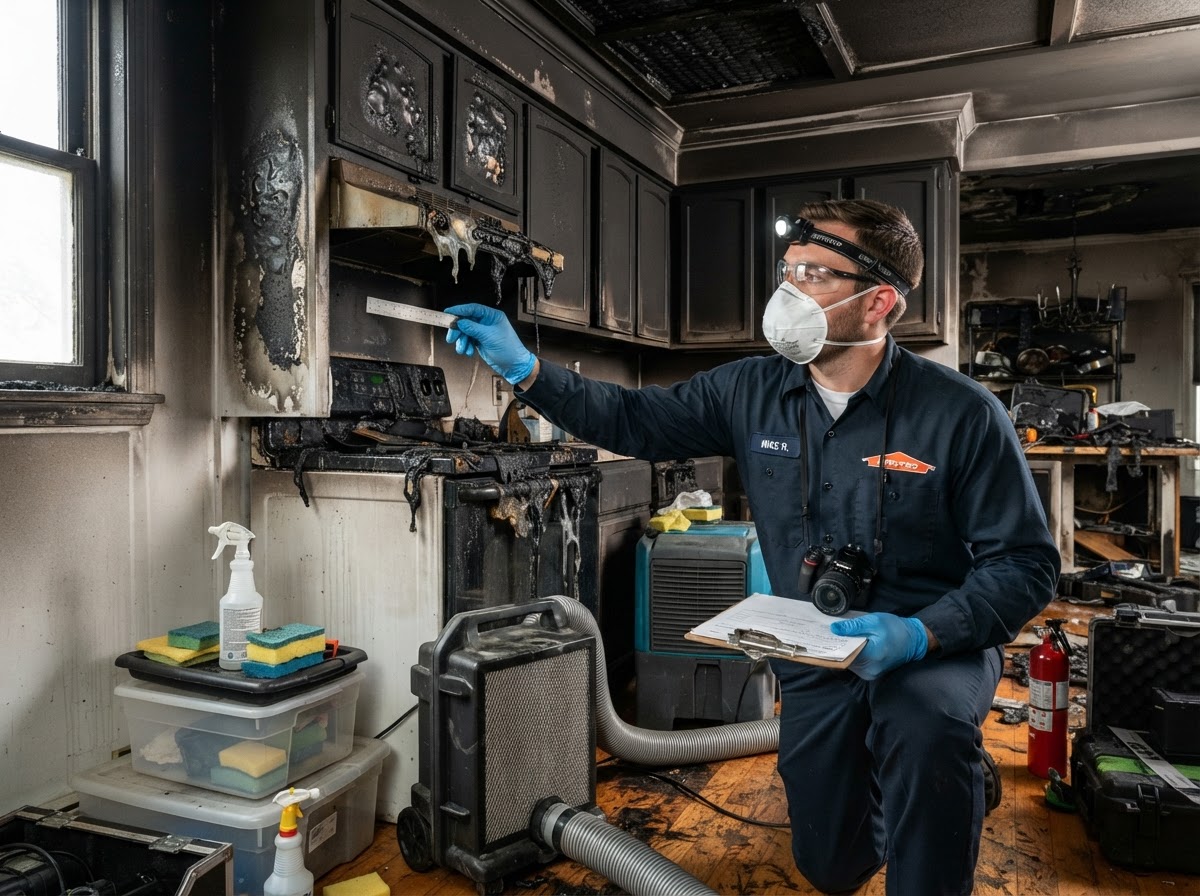
Smoke damage can appear far from the fire because combustion particles are airborne. As smoke moves through a property, it travels along hallways, around door frames, through wall cavities, and into HVAC pathways. When those particles cool, they settle onto surfaces — often in rooms that were never touched by flames.
Soot is the solid residue left behind when materials burn incompletely. It can coat walls, ceilings, cabinets, doors, trim, furniture, textiles, and contents throughout a property. Because soot is acidic, residue left in place can stain, etch, or discolor surfaces over time, which is why prompt cleaning matters.
Smoke and soot cleanup in Seneca focuses on identifying the type of residue, selecting the appropriate cleaning method for each surface, and addressing any remaining odor. The approach depends on the material, the residue, the amount of damage, and the heat exposure — not every surface is cleaned the same way.
Standard Cleaning
Everyday household cleaners and wiping can sometimes spread soot, embed it deeper into porous surfaces, or smear wet smoke residue into a larger area rather than removing it.
Professional Soot Cleanup
Professional methods match the cleaning technique to the residue type and surface — dry chemical sponging for dry smoke, controlled wet cleaning for wet and protein residue — to lift residue without driving it deeper.
Contact Pro-Kleen Restoration
Speak directly with our Seneca, SC restoration team.
Understanding Smoke, Soot & Fire Residue
Not all smoke residue is the same. The type of fire, the materials that burned, and how hot it burned all affect the residue left behind — and the cleaning method required to remove it.
Dry Smoke
Fine, powdery residue from fast-burning, high-temperature fires. It coats surfaces evenly and can often be cleaned with dry chemical sponging before any wet cleaning.
Wet Smoke
Thick, sticky, strongly odored residue from low-heat, smoldering fires. It clings to surfaces and is among the most difficult residues to remove.
Protein Residue
Nearly invisible residue from kitchen and cooking fires that can yellow paints and varnishes while producing a strong, persistent odor.
Cooking-Related Smoke
Grease and food combustion residue that coats kitchen surfaces, cabinetry, and nearby walls with an oily film.
Soot Particles
Solid combustion particles that settle on horizontal and vertical surfaces and can stain or etch finishes if left in place.
Odor Compounds
Volatile combustion compounds that penetrate porous materials and textiles, producing odor that lingers after visible soot is removed.
HVAC Distribution
Smoke pulled into ductwork can deposit residue on vents, grilles, and duct interiors in rooms far from the fire.
Heat-Affected Surfaces
Materials exposed to high heat may discolor, warp, or become more porous, changing how residue adheres and how they can be cleaned.
Mixed Residue
Most real fires produce a combination of residue types, requiring a layered cleaning approach across the property.
Surfaces Where Smoke Residue Commonly Settles
How Smoke and Soot Cleanup Works
Smoke and soot cleanup is a methodical process that matches cleaning techniques to the residue type and surface. Not every surface can be cleaned the same way, and not every material can be fully restored.
Assess Affected Areas
We inspect the property to identify where smoke and soot have settled, including rooms far from the fire source.
Identify Residue Type and Material
Determining whether residue is dry, wet, or protein-based — and what surface it sits on — guides the cleaning method.
Protect Unaffected Areas as Appropriate
Cleaned and unaffected areas are separated to prevent recontamination during the cleaning process.
Remove Loose Residue Using Appropriate Techniques
Dry chemical sponging lifts dry soot before any moisture is introduced, avoiding smearing.
Clean Affected Surfaces
Wet cleaning methods are applied where appropriate to remove sticky or oily residue that dry sponging cannot lift.
Address Contents
Furniture, textiles, and belongings are evaluated for cleaning or pack-out based on material and exposure.
Evaluate HVAC-Adjacent Surfaces When Relevant
Vents, grilles, and accessible duct areas are inspected for soot distribution where appropriate.
Address Remaining Odor
Odor treatment targets combustion compounds trapped in porous materials after visible soot is removed.
Determine Whether Materials Are Salvageable
Surfaces that cannot be effectively cleaned are identified for replacement or repair.
Coordinate Repairs Where Needed
Where materials require replacement, the property is prepared for those repairs as part of the restoration plan.
Not every surface can be cleaned. Heavily heat-damaged materials, deeply stained porous surfaces, or items with embedded wet smoke residue may require replacement. Pro-Kleen Restoration evaluates each surface and recommends the appropriate path.
Questions about your property in Seneca?
Call Pro-Kleen Restoration to discuss the damage and what may be needed.
Where Smoke Residue Can Settle After a Fire
Smoke residue settles on a wide range of surfaces throughout a property. Drywall and painted walls, ceilings, cabinetry, woodwork, flooring, glass, furniture, clothing, and personal belongings can all carry soot even when they appear untouched. HVAC vents and grilles can also distribute residue into rooms far from the fire.
Because soot is acidic, residue left in place can stain or etch surfaces over time — particularly on metals, glass, and painted finishes. The sooner residue is identified and cleaned with the appropriate method, the better the chance of restoring affected surfaces. Where residue has penetrated porous materials, odor treatment often follows surface cleaning.
This page focuses specifically on smoke residue and soot cleaning. For broader post-fire restoration — including charred material removal, board-up, suppression water drying, and reconstruction preparation — see our fire damage restoration services. Pro-Kleen Restoration serves Seneca and nearby communities such as Clemson, Walhalla, Westminster, and Anderson.
Areas & Materials Commonly Affected
Smoke & Soot Damage Cleanup FAQs
Need Smoke or Soot Cleanup in Seneca?
Contact Pro-Kleen Restoration to discuss your property and the smoke and soot cleanup work that may be needed. Call (864) 870-7167 or submit a service request and our Seneca team will follow up with you.